


Timberclad
Exterior timber cladding systems designed to breathe, protect, and perform reliably in tropical climates.
What Is Timberclad?
Breathes Better.
Shields Longer.

Timberclad is an exterior timber facade system engineered to form a breathable, protective building envelope in tropical environments.
By combining durable timber species, controlled profiles, and ventilated rainscreen detailing, Timberclad moderates heat, sheds rain, and allows moisture to escape naturally behind the façade.
The result is a dependable, low-maintenance exterior system that protects the building while expressing the authentic texture and character of real wood.

function
Architectural

product form
Exterior Timber Facade System

Suitability
Exterior Only

Species
Accoya / Yellow Balau
Applications

Exterior Facades
Forms a protective timber skin while defining architectural identity. Used across full Facades or selectively to articulate entrances, volumes, and key elevations.

Shading Screens
Applied as vertical or horizontal screens to control sun, views, and privacy. Supports passive cooling strategies in tropical architecture without enclosing the building.

Soffits & Overhangs
Finishes roof edges and covered areas with a continuous timber surface. Suitable for eaves, canopies, and transition zones between interior and exterior.

Semi-Exterior & Covered Walls
Installed in protected outdoor areas such as verandas, terraces, breezeways, and covered corridors subject to humidity and airflow but shielded from direct rain.
Why Timberclad Works With the Climate, Not Against It
Clean Look, No Screws
Concealed clip systems create clean, aligned Facades without visible fasteners, while allowing controlled timber movement and fast installation.
Won’t Warp Outside
Stable modified timber and dense hardwood species provide predictable exterior performance, reducing Facade warping, cupping, and premature ageing when detailed correctly.
Keeps Buildings Cooler
Breathable timber skins cool faster than metal or composite Facades, improving envelope performance and reducing heat build-up on exterior walls.
Natural, Not Plastic
Timberclad offers an authentic, low-carbon alternative to composite Facades, using responsibly sourced hardwoods and modified timber rather than synthetic materials.

Species and Face Options

Accoya
Natural
Premium modified timber for tropical and coastal Facades requiring exceptional dimensional stability.
Visual grade: Clean AB
Typical density: ≈ 510 kg/m³
Source: Modified timber

Yellow Balau
Natural
Dense tropical hardwood for standard exterior Facades with a natural, robust appearance.
Visual grade: Clean AB
Typical density: ≈ 850–950 kg/m³
Source: Indonesia

Dasso
Natural
Engineered bamboo for high-traffic Facades requiring extreme hardness and durability.
Visual grade: Exterior grade
Typical density: ≈ 1150–1200 kg/m³
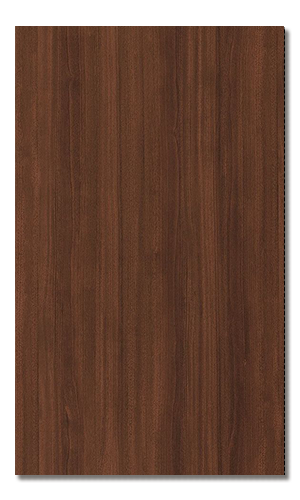
merbau
Natural
Requestable.
High-durability hardwood for demanding tropical conditions, subject to availability and grading.

jabon
woodflame - Flatbrushed
Approved exclusively for Woodflamed finishes in protected exterior applications, subject to project review.

meranti
Woodflame - Alligator
Approved exclusively for Woodflamed finishes in protected exterior applications, subject to project review.
Performance Characteristics

Dimensional Stability
High
Accoya offers exceptional stability; dense hardwoods perform reliably when detailed with correct spacing and ventilation.

Moisture Content
12 – 16%
Conditioned specifically for exterior use.

Moisture Movement
0.25 – 0.35% per 1% MC change
Requires correct spacing, drainage, and rear ventilation detailing. Design must allow for normal timber movement.

Thermal Performance
Low Conductivity
Reduces heat transfer compared to metal Facades, contributing to improved envelope performance.

Seismic Suitability
high
Low mass combined with mechanical fixing systems performs well in seismic zones.
Is Timberclad Right for Your Project?
Timberclad is not decorative panelling. It is a ventilated exterior Facade system.
It is most effective when:
-
Facade heat and moisture must be managed naturally
-
exterior durability matters long-term
-
architectural identity relies on material honesty
-
composite or synthetic Facades are undesirable
If your project requires a breathable, durable timber skin designed for tropical exposure, Timberclad should be considered early in Facade design.

Download our Product Catalog
Frequently Asked Questions
Got a question unanswered? Speak to our team.
Can Timberclad be installed without a ventilation cavity?
No. Timberclad must always be installed as a drained and ventilated rainscreen system. Direct fixing to masonry or sheathing without a rear cavity will significantly reduce durability and coating life.
Is Timberclad suitable for coastal environments?
Yes, when specified with Accoya or approved species, stainless fixings, appropriate coatings, and correct detailing for salt exposure and ventilation.
Can damaged boards be replaced?
Yes. The concealed clip system allows individual boards to be demounted and replaced without dismantling the entire Facade.