


function
Architectural

product form
Interior Engineered Timber Panel

Suitability
Interior Only

Species
Jabon / Meranti
What Is 3-Ply Panel?

A 3-Ply Panel is an engineered timber panel made by bonding three solid wood layers into a single, dimensionally stable sheet.
The outer face layers run parallel to the panel length for clean grain continuity.
The core layer is cross-laminated at 90 degrees, counteracting internal wood stress that typically causes warping, cupping, or twisting in humid interiors.
The result is a flat, predictable panel that looks like solid wood, but behaves with far greater control.
Applications

Cabinetry and Joinery
Flat, stable panels for cabinet fronts, carcasses, shelving, and bespoke furniture where alignment and edge consistency matter.

Wall Panels and Partitions
Large interior surfaces with clean junctions, controlled joints, and reduced risk of post-installation movement.

Interior Fit-Outs
Retail, hospitality, residential, and workplace interiors where solid-wood aesthetics are required without maintenance risk.
Why 3-Ply Panels Perform Better Indoors
Looks Like Solid Wood
Face layers preserve natural grain, colour, and texture.
You get the visual warmth of solid timber without its instability.
Cuts Waste and Installation Time
Panels are sized for joinery workflows and modular layouts.
This reduces offcuts, speeds fabrication, and simplifies installation sequencing.
Supports Healthy Indoor Air
Manufactured using low-VOC adhesives and F☆☆☆☆-certified panels, suitable for homes, offices, schools, and hospitality interiors.
Stays Flat Over Time
The cross-laminated core cancels internal wood stress that causes cupping or warping in solid boards. Panels remain aligned even under seasonal humidity changes common in tropical interiors.

Species and Face Options

jabon
Natural
Standard Core

Meranti
Natural
Standard Face

Walnut
Natural
Requestable Face
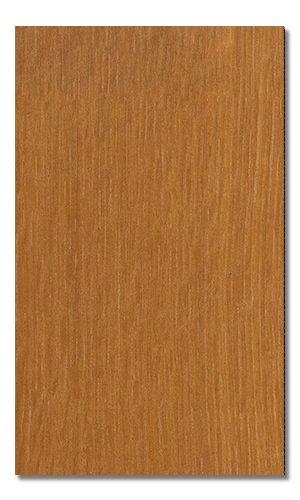
White Oak
Natural
Requestable Face
Performance Characteristics

Dimensional Stability
High
Cross-laminated core counteracts natural movement.

Moisture Content
12 – 14 %
Kiln-dried for tropical interior conditions.

Moisture Movement
0.25 – 0.35% per 1% MC change
Design must allow for normal timber movement.

Adhesive System
Low-VOC Isocyanate
Provides a strong, water-resistant bond with low chemical emissions for stable performance in humid interiors.

Thermal Performance
Low Conductivity
Supports comfortable interior environments.

3-Ply Panel
Interior engineered timber panels designed to stay flat, precise, and stable in tropical humidity.
Is 3-Ply Panel Right for Your Project?
3-Ply Panels are most effective when:
-
flatness and alignment matter visually
-
humidity varies across seasons
-
solid timber boards would be too unstable
-
MDF performance or emissions are unacceptable
If your interior relies on clean joints, tight tolerances, and long-term visual consistency, 3-Ply Panels should be specified early.

Download our Product Catalog
Frequently Asked Questions
Got a question unanswered? Speak to our team.
Is a 3-Ply Panel more stable than solid timber in tropical interiors?
Yes.
A 3-Ply Panel is engineered with a cross-laminated core that counteracts internal wood stress. This significantly reduces warping and cupping compared to solid timber boards of the same thickness, especially in interiors with fluctuating humidity.
Stability depends on correct detailing, sealed edges, and use in interior-only conditions.
Can 3-Ply Panels be used for structural or load-bearing applications?
No.
3-Ply Panels are architectural panels, not structural elements. They are designed for cabinetry, wall panels, partitions, and interior joinery where flatness and visual consistency matter.
Structural loads must be carried by engineered systems such as glulam or framing members.
Are 3-Ply Panels suitable for kitchens, bathrooms, or wet areas?
Only in controlled, low-exposure zones.
3-Ply Panels can be used in kitchens or bathrooms when installed away from direct water contact, with all cut edges sealed and finishes maintained.
They are not suitable for wet areas, exterior exposure, or zones with continuous moisture or steam.